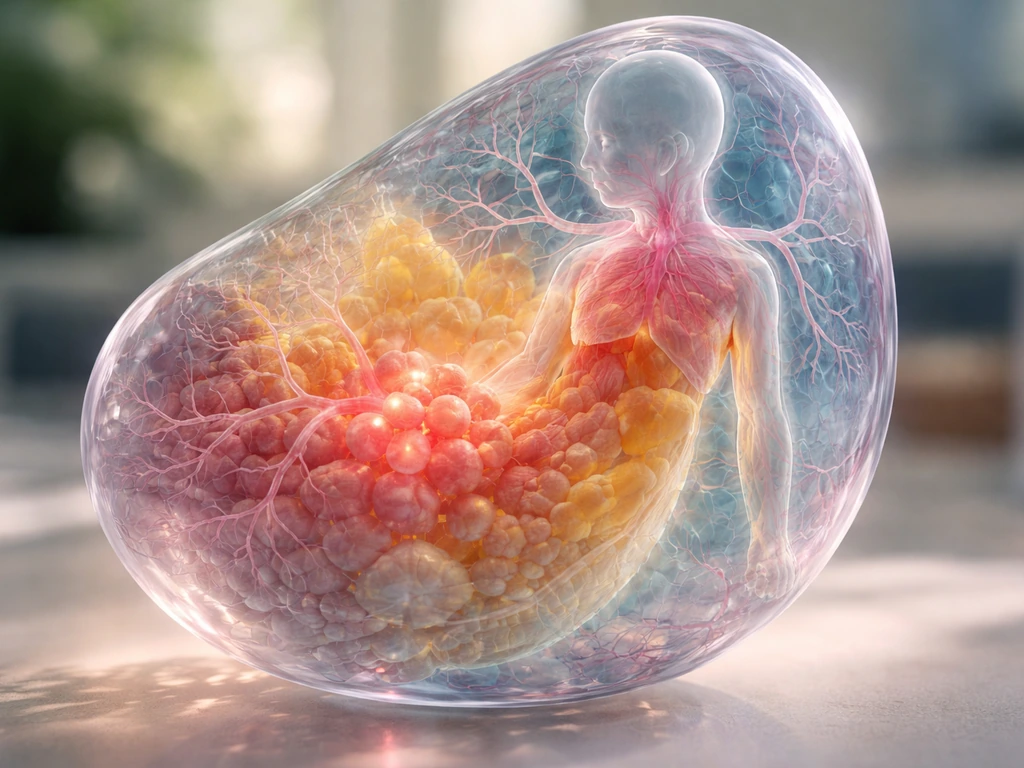
Organisms grow by producing more cells, enlarging existing ones, and organizing those cells into increasingly complex structures. That's the short answer. The longer answer is where it gets fascinating: growth isn't just "getting bigger." It's a tightly coordinated biological program involving DNA instructions, chemical signals, energy budgets, and physical limits that vary depending on whether you're a bacterium, a redwood tree, or a blue whale.
How Do Organisms Grow: Cell Growth, Development, and Limits
Marcus Whitmore
24 Mar 2026
What growth actually means in living things
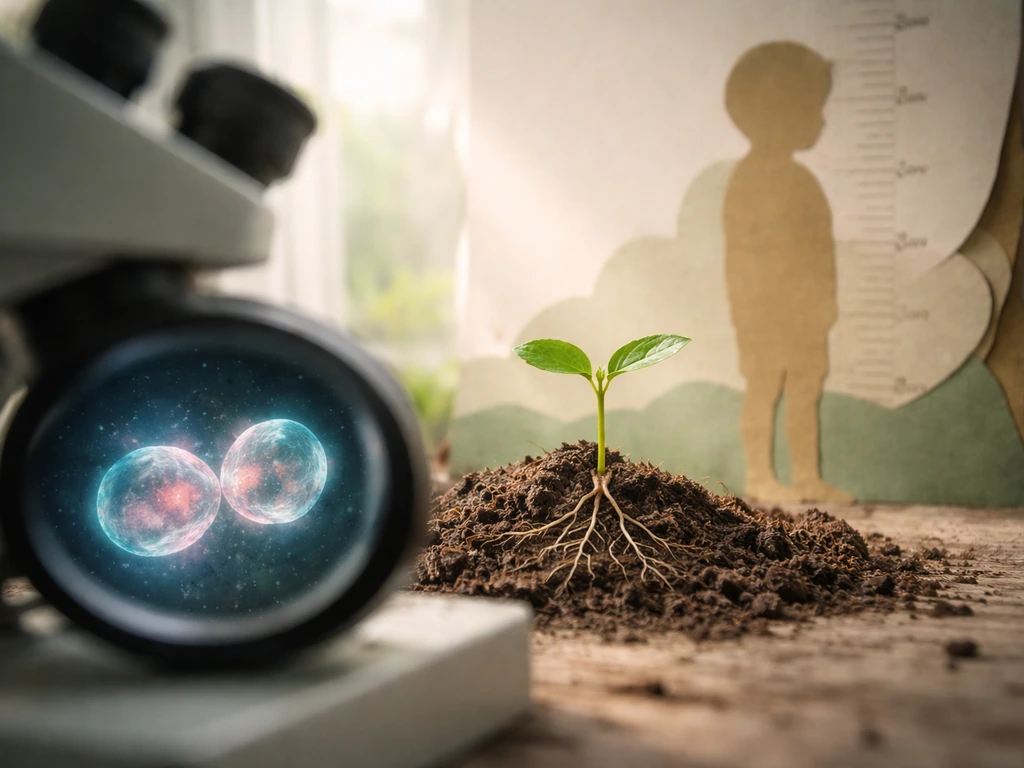
In biology, growth means a permanent, irreversible increase in the size, mass, or number of cells in an organism. Notice the word "irreversible", that's what separates real biological growth from temporary changes like a cell swelling with water or a stomach filling with food. True growth adds new biological material, whether that's new cells, new proteins, or new tissue structures that weren't there before.
This matters because researchers have pointed out a common trap: we tend to measure growth by looking at attained size at a single point in time rather than tracking the actual process of change over time. A snapshot of a tall adult doesn't tell you how or why growth happened. What biologists really care about is the trajectory: how fast growth occurred, when it slowed, and what drove it at each stage.
Every living organism grows, but not in the same way. Unicellular organisms like bacteria grow as individual cells before dividing. The mechanisms overlap, but the scale and complexity are dramatically different. If you want to dig into those contrasts specifically, the differences between unicellular and multicellular growth strategies are worth exploring on their own. why can unicellular organisms grow larger
How organisms grow and develop through life stages
Growth and development are related but not the same thing. Growth is the quantitative increase in size or cell number. Development is the qualitative process of becoming more complex and specialized. Both happen simultaneously in most living things, and together they move an organism from a simple starting point (a fertilized egg, a spore, a seed) to a fully functional adult.
Life stages: from simple to complex
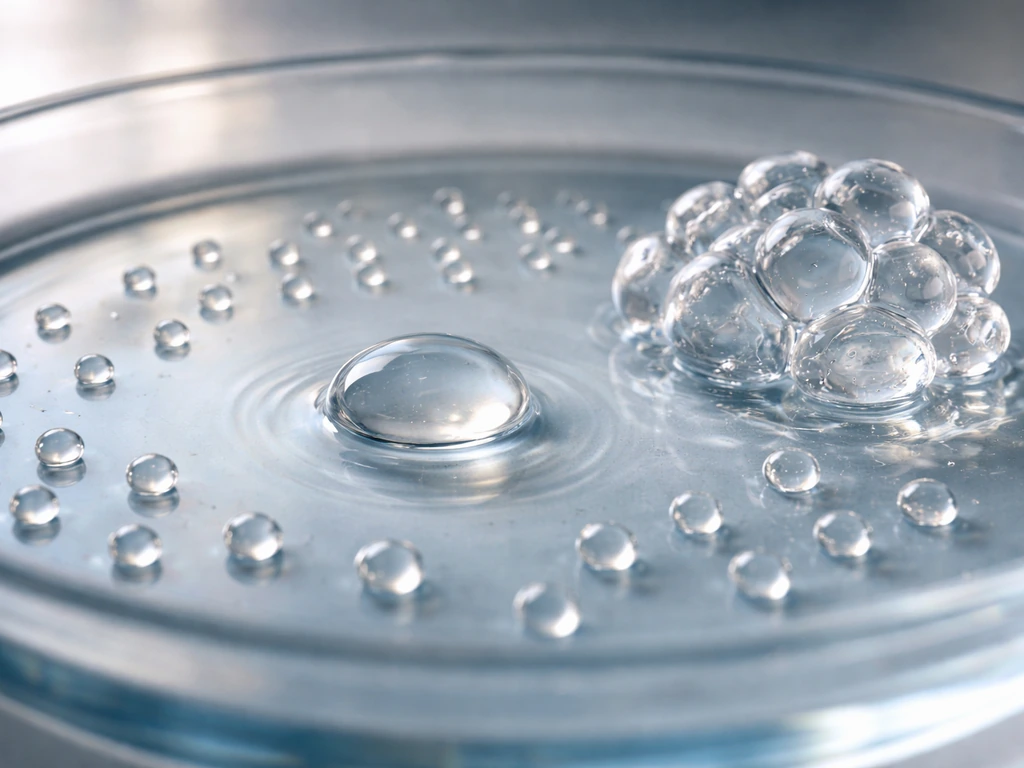
In animals, development starts at fertilization. A single cell divides repeatedly, and early on, all those cells look roughly the same. Then something remarkable happens: differentiation. Cells start receiving chemical signals that tell them which genes to switch on and which to silence. A cell destined to become a neuron starts expressing different genes than one becoming a muscle fiber. Same DNA, different instructions activated. The result is the hundreds of specialized cell types found in a complex animal body.
Plants follow a similar logic but with a key difference: they have regions of permanent, undifferentiated tissue called meristems at their root tips and shoot tips. Growth in plants is largely confined to these zones throughout the plant's entire life, not just during embryonic stages. This is why you can prune a branch and the plant keeps growing from its meristems rather than regrowing the cut branch.
Across all multicellular organisms, growth moves through recognizable phases: rapid early growth, a juvenile or growth phase, maturation, and eventually a plateau where net growth slows dramatically. Humans follow this arc from infancy through puberty to adulthood. Trees follow it from seedling to mature canopy. The specific hormones and signals differ, but the broad pattern holds.
How growth connects to reproduction and heredity
Growth, development, and reproduction aren't three separate things in biology. They're a linked cycle. An organism grows to a point where it can reproduce, reproduction passes on the genetic instructions that guide growth in the next generation, and the cycle continues. This is why genes are so central to understanding growth: as OpenStax describes it, genes provide the instructions that direct cellular growth and development, ensuring that an organism's offspring will grow up to exhibit many of the same characteristics as the parent.
Think of it this way: the DNA in every cell of your body is essentially a compressed instruction manual. It doesn't just code for what color your eyes are. It codes for when your bones should stop lengthening, how fast your gut lining should replace itself (roughly every five days), and what triggers a stem cell to differentiate into a specific tissue type. Heredity is the mechanism that passes these growth instructions reliably across generations.
This also explains why growth disorders often have genetic roots. When the instructions are altered, the entire growth program can shift, producing organisms that grow too fast, too slow, or in the wrong pattern. Understanding reproduction and heredity is inseparable from understanding why organisms grow the way they do.
Why organisms grow in the first place
It's easy to treat growth as an obvious background fact of life, but it's worth asking: why do organisms bother? The answer turns out to be deeply functional and evolutionary.
- Maintenance and repair: Cells wear out. Skin, gut lining, blood cells, and many other tissues require continuous replacement just to keep the organism functional. Without growth at the cellular level, tissue integrity would degrade rapidly.
- Reaching reproductive maturity: Most organisms must reach a certain size and developmental stage before they can reproduce. Growth is the prerequisite. An organism that doesn't grow sufficiently may never reproduce.
- Energy acquisition: In many organisms, larger body size improves the ability to compete for food, avoid predators, or survive environmental stress. Growth can be a direct survival advantage.
- Wound healing and immune response: When tissue is damaged, localized growth (cell proliferation) is the primary repair mechanism. A cut heals because nearby cells receive signals to divide and fill the gap.
- Evolutionary fitness: Species that grow efficiently and reproduce successfully pass on more genes. Growth patterns are shaped by natural selection over long timescales.
There's also a molecular layer to this. Pathways like the TOR (Target of Rapamycin) pathway are central to developmental growth, sensing nutrient availability and signaling cells to grow or hold back. Interestingly, this same pathway has been linked to aging processes later in life, suggesting that growth and aging share molecular machinery at a deep level. Growth isn't just a youthful phase, it's part of a continuous biological program that runs across the entire lifespan.
The actual mechanics: how cells drive growth
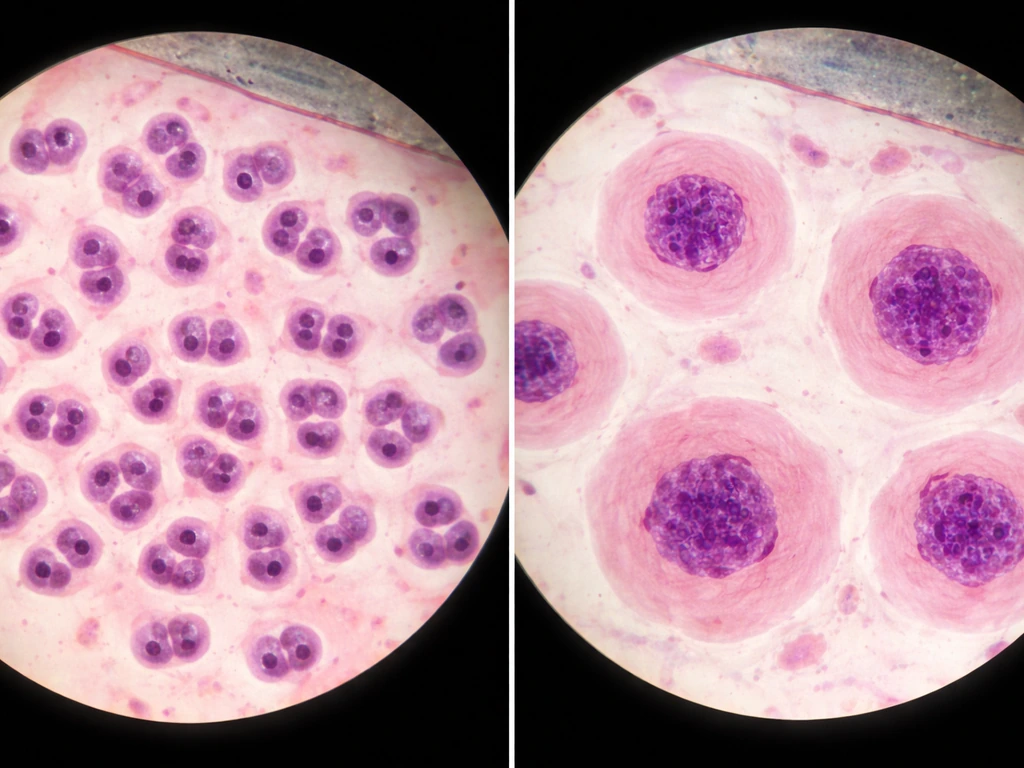
Zoom in on any growing organism and you're watching one of two things: cells dividing or cells enlarging. Usually both are happening simultaneously.
Cell division and mitosis
Mitosis is the cell division process responsible for growth and tissue repair in eukaryotes (that's every organism with a nucleus, including you, plants, and fungi). One parent cell copies its DNA and divides into two genetically identical daughter cells. Repeat this process trillions of times in a coordinated way, and you get a human body. The key word is coordinated: cells don't divide randomly. They divide in response to growth signals, in specific locations, at specific rates, guided by the organism's developmental program.
The stages of mitosis (prophase, metaphase, anaphase, telophase, and cytokinesis) ensure that each daughter cell gets a complete, accurate copy of the genome. Errors in this process are a major driver of cancer, which is essentially uncontrolled, uncoordinated growth. The precision of mitosis is what keeps normal growth ordered and purposeful.
Cell enlargement
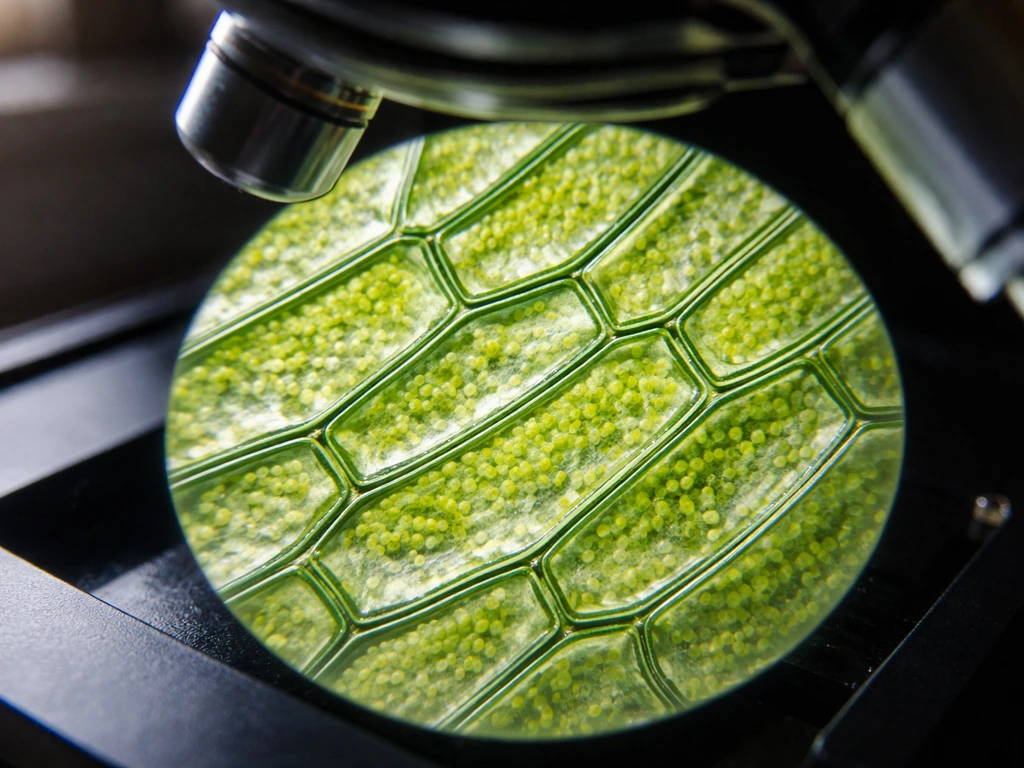
Not all growth comes from adding new cells. Many cells also grow by enlarging, synthesizing more proteins, organelles, and cytoplasm. Plant cells, for example, can expand dramatically as they take on water and build out their cell walls. This kind of growth contributes significantly to the overall size increase of plants without requiring every growth increment to come from a fresh round of cell division.
From single cells to whole organisms
Scaling from a single dividing cell to a fully developed organism requires more than just lots of cell division. It requires cells to communicate, to organize spatially, and to differentiate into specialized types. Growth factors, hormones (like insulin-like growth factor and human growth hormone), and local chemical gradients all play roles in coordinating this process. Growth is not a solo act. It's a community effort happening at the molecular, cellular, tissue, and organ levels simultaneously.
Why growth isn't unlimited: the real constraints

If growth is so useful, why don't organisms just keep growing forever? The answer is that several hard limits converge to make unlimited growth impossible, and in many cases, actively dangerous.
The surface area to volume problem
As a cell grows larger, its volume increases faster than its surface area. This is a geometry problem, not a biology problem, but it has massive biological consequences. A cell depends on its membrane surface to exchange oxygen, nutrients, and waste with its environment. When volume outpaces surface area, the cell's interior can no longer be adequately supplied. This is one of the core reasons cells divide rather than growing indefinitely, and it's also why large organisms need complex internal transport systems like circulatory and respiratory systems just to keep cells alive.
Energy and nutrient availability
Growth costs energy. Building new proteins, replicating DNA, and assembling cell structures all require ATP and raw materials (amino acids, lipids, carbohydrates, minerals). When nutrient availability drops, the TOR pathway and similar nutrient-sensing systems signal cells to slow or halt growth. This is why malnutrition stunts growth in developing organisms and why even well-fed organisms stop growing once their developmental program is complete: the signals shift from "grow" to "maintain."
Regulatory controls and cellular checkpoints
Cells have built-in checkpoints throughout the cell cycle that monitor DNA integrity, resource availability, and external signals before allowing division to proceed. Tumor suppressor genes like p53 are essentially the cell's quality control officers: if something is wrong, they halt the cycle. Growth is also regulated by contact inhibition, where cells stop dividing once they're surrounded by other cells. Remove these controls, and you get cancer.
Aging and the end of active growth
As organisms age, growth slows and eventually stops in most tissues. StatPearls describes aging and senescence as a chronic, normal process involving the gradual loss of regenerative and bioprotective mechanisms over time. This isn't just passive breakdown. It's a programmed shift in cellular behavior where the same molecular pathways (like TOR) that drove growth in youth begin to contribute to age-related decline. Growth doesn't just stop one day. It transitions into a maintenance-and-decline arc.
What makes growth happen vs. what shuts it down
Growth requires a specific set of inputs and conditions. Remove any one of them and growth slows or stops entirely.
| Factor | Promotes Growth | Prevents or Limits Growth |
|---|---|---|
| Nutrients | Adequate supply of amino acids, glucose, minerals enables biosynthesis | Deficiency triggers TOR pathway shutdown; protein synthesis stalls |
| Hormones/Growth factors | IGF-1, HGH, plant auxins, and cytokinins signal cells to divide and enlarge | Absence or receptor failure halts growth programs; excess causes overgrowth disorders |
| Oxygen and circulation | Delivers energy substrate; supports high metabolic rate of dividing cells | Poor vascularization limits tissue size; hypoxia slows or stops proliferation |
| Temperature | Optimal range enables enzyme function and metabolic reactions | Too cold slows metabolism; too hot denatures proteins and disrupts cell cycle |
| DNA integrity | Intact genome enables accurate replication and protein synthesis | DNA damage activates checkpoints; persistent damage triggers senescence or apoptosis |
| Space and mechanical signals | Physical room and appropriate mechanical tension encourage cell proliferation | Contact inhibition stops division when cells are crowded; compression inhibits growth |
This is why growth isn't simply "on" or "off." It's a continuous negotiation between the organism's internal state and its external environment. A plant seedling in rich soil with adequate light, water, and warmth will grow vigorously. Move it to shade and dry conditions and the same genetic program produces a stressed, stunted plant. The instructions are the same; the execution depends entirely on context.
Biological growth vs. the "growth" of non-living things
People sometimes ask whether crystals grow, or whether stalagmites in caves grow. They do increase in size, and the word "growth" is used casually to describe them. But it's worth being precise about what's actually happening, because the mechanism is completely different from biological growth.
When a crystal "grows," mineral ions from a surrounding solution attach to the crystal's surface in an ordered pattern. It's a physical and chemical process driven by thermodynamics, not by genetic instructions, cell division, or energy metabolism. There's no DNA, no differentiation, no internal regulation. A crystal doesn't grow to reproduce or repair itself. Remove the saturated solution, and it simply stops. It has no internal mechanism to drive or control its own expansion.
Geological formations like stalagmites or river deltas enlarge through accumulation, mineral deposition, and sediment transport. A glacier expands through snowfall and compression. These are physical processes governed by physics and chemistry, not biology.
Plants sometimes sit in an ambiguous spot for people because they don't move and can seem more "passive." But plant growth is unmistakably biological: it's driven by cell division at meristems, regulated by hormones like auxin and gibberellin, encoded in genes, and coupled to reproduction. A plant growing toward light (phototropism) is an organism executing a biological growth program. A stalactite getting longer is just mineral deposition. Same word, completely different mechanisms.
The practical test: if the growth involves cells dividing, genetic instructions being followed, and energy being consumed through metabolism, you're looking at biological growth. If it's accumulation or deposition without any of those features, you're looking at a physical or chemical process that borrows the vocabulary of growth without sharing the biology.
Putting it all together
Organisms grow through a coordinated combination of cell division, cell enlargement, and differentiation, all orchestrated by genetic programs that were inherited from parent organisms. Growth happens because it serves real biological functions: maintenance, repair, reproduction, and survival. It's driven by hormones, nutrients, and molecular pathways like TOR, and it's constrained by geometry, energy costs, regulatory checkpoints, and eventually by aging. The conditions that support growth are specific and removable, which is why growth is sensitive to environment and always finite.
If you want to understand any particular aspect more deeply, the growth strategies of single-celled versus multicellular organisms are a great next layer to explore, as the two strategies reveal a lot about why complexity evolved and what trade-offs different organisms make to survive and reproduce.
FAQ
How is organismal growth different from a temporary change like dehydration or swelling?
Temporary size changes usually come from shifting water or filling empty spaces without adding new cellular material. True organism growth involves net creation of biomass (new cells, new proteins, new tissues) and a lasting increase in mass or cell number.
Do all cells in the body grow at the same rate and in the same direction?
No. Most tissues grow through region-specific activity, such as stem-cell zones or meristems in plants, and through signals that specify location and timing. In animals, growth is also coordinated by tissue-level patterning, so cells do not all divide uniformly.
Why does growth slow after a certain point even if nutrients are available?
Because growth is gated by developmental timing and checkpoint signaling. Even with adequate nutrients, hormonal programs and cell-cycle controls shift from proliferation to maintenance when tissues reach the mature state.
Can organisms grow larger without increasing cell number?
Yes. Cells can enlarge by building biomass and expanding cytoplasm and organelles, and plants can strongly rely on cell expansion plus cell-wall changes. This can increase size substantially without requiring every increment to come from new cell division.
What’s the fastest way to tell whether something like a plant is growing biologically?
Look for signs of a living growth program: growth concentrated in specific tissues (for plants, meristems), hormone-driven directionality (like growth toward light), and ongoing energy use via metabolism. In contrast, purely physical deposition stops when the external supply is removed.
How do cells decide when to stop dividing (and avoid becoming cancer)?
They integrate DNA damage checks, resource and nutrient status, and external cues like cell density. Checkpoint regulators (for example, pathways involving p53) can halt the cycle, and contact inhibition limits division when neighboring cells are present.
Is it possible for mutations to make an organism grow too fast or in the wrong pattern?
Yes. Altered genetic instructions or misregulated signaling can push cells toward excessive proliferation, abnormal differentiation, or disrupted growth timing. The result can be disproportionate size changes or developmental defects depending on where and when the pathway is affected.
Why do cells need a specific size, and what goes wrong when they get too large?
As volume rises faster than surface area, the cell cannot exchange nutrients and waste efficiently across the membrane. This creates internal stress that favors division and restrains continuous enlargement, especially without specialized transport systems.
How does the TOR pathway fit into growth versus aging?
TOR acts as a nutrient-and-growth sensor, promoting anabolic growth when conditions are favorable and slowing it when nutrients are scarce. Over time, the same signaling machinery becomes linked to age-related decline, so growth regulation and aging are mechanistically intertwined.
Do crystals, stalagmites, and glaciers truly count as organisms growing?
No. They can increase in size, but their mechanisms are deposition and physical chemistry, not genetic instruction, cell division, differentiation, or metabolic energy use. Biological growth includes regulated internal control, not just accumulation from the environment.
Next Article
How Does a Multicellular Organism Grow and Develop?
How multicellular organisms grow: cell division, differentiation, patterning, and limits like nutrients, diffusion, and