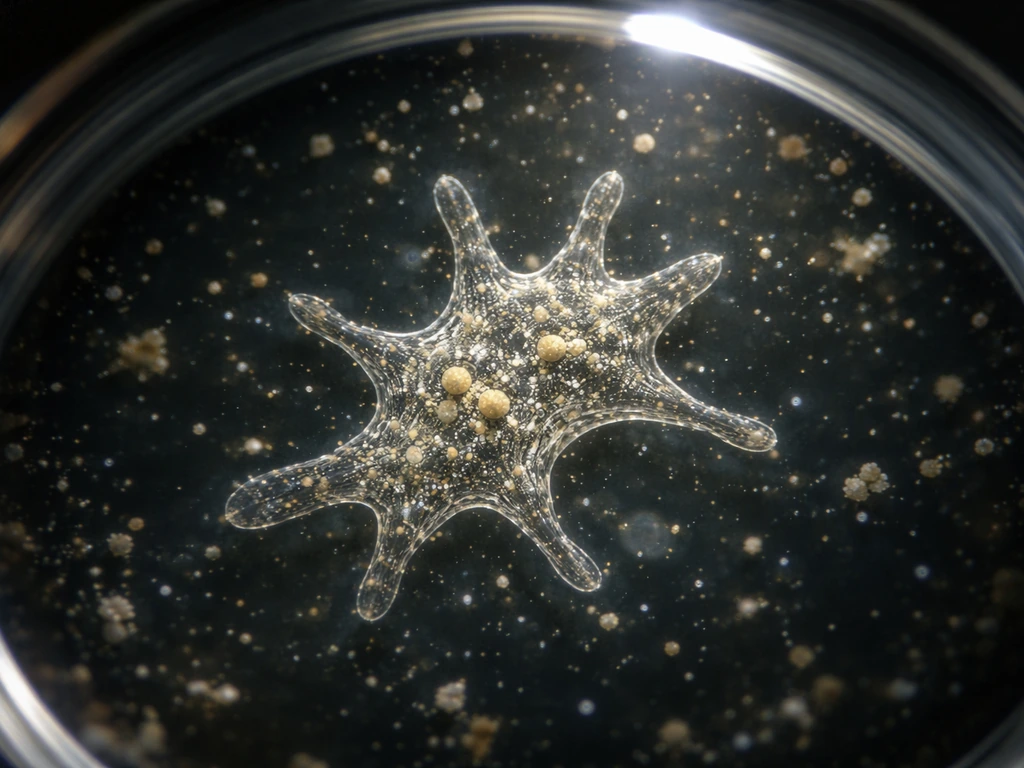
Plankton grow in two fundamentally different ways depending on whether you are talking about the photosynthesizing kind or the animal-like kind. Phytoplankton grow by converting sunlight and dissolved nutrients into new biomass, then dividing. Zooplankton grow by eating, digesting, and using that energy to get bigger and reproduce. Both types are governed by the same underlying rule that applies to every living thing on this site: growth only happens when energy and raw materials are available in sufficient quantities. When those inputs fall short, growth slows, stops, or reverses. this article is about. how does phytoplankton grow
How Do Plankton Grow: Mechanisms, Limits, and What to Measure

Marcus Whitmore
24 Mar 2026
What plankton actually are (and why the definition matters)
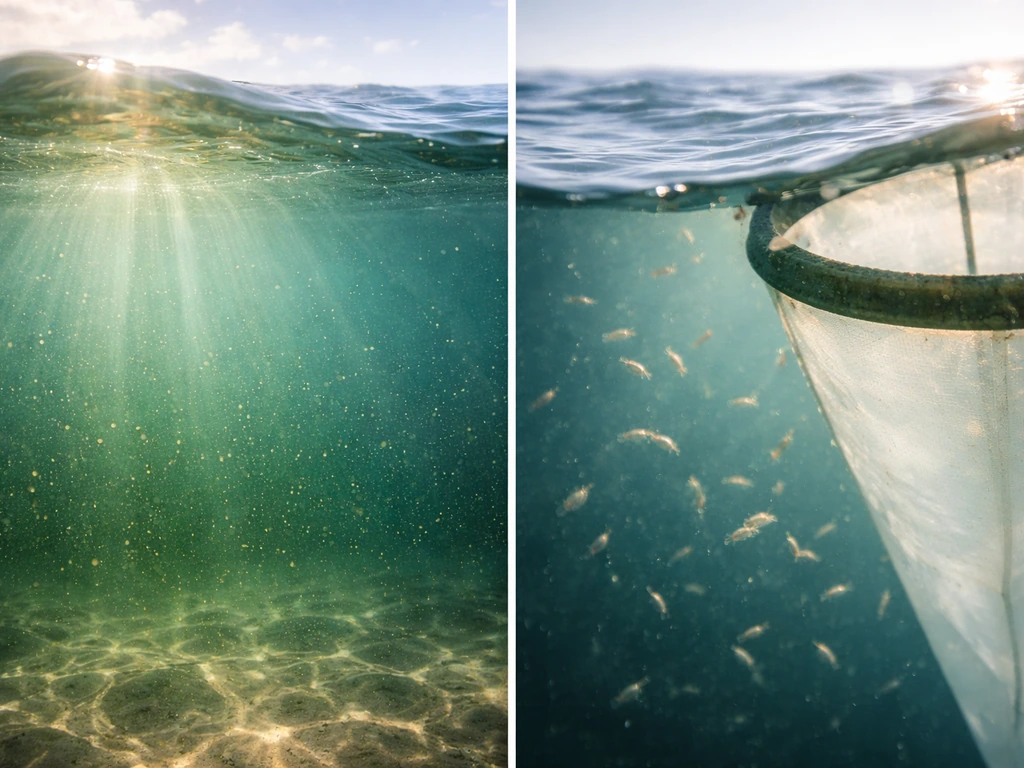
"Plankton" is not a single organism or even a single type of organism. It is a lifestyle category. The word describes any organism that drifts or swims too weakly to move against a current. That umbrella covers an enormous range of life: from microscopic bacteria and single-celled algae all the way up to jellyfish. NOAA defines them simply as organisms that cannot freely swim against a current, and that definition is the key to understanding them.
Within that umbrella, there are two major groups. Phytoplankton (the "phyto-" means plantlike) are the primary producers: they photosynthesize, fixing carbon from CO2 the way plants do. Zooplankton ("zoo-" means animal-like) are the consumers: they eat phytoplankton and each other. This distinction matters enormously for growth, because the two groups use completely different mechanisms to add biomass and increase in number. Treating "plankton" as a single thing when asking how they grow is a bit like asking how "animals" eat without distinguishing between a cow and a lion.
The growth mechanics of phytoplankton connect closely to topics like how diatoms grow and how protists grow and develop, since many phytoplankton species are single-celled protists. Zooplankton growth sits closer to discussions of how amoeba grow and how paramecium grow in terms of cellular feeding and assimilation. Keeping these connections in mind helps situate plankton growth within the broader biology of single-celled and small multicellular life. how do protists grow and develop
How phytoplankton grow: from sunlight to cell division
Phytoplankton growth follows a chain: absorb light, fix carbon, take up nutrients, build new cellular machinery, divide. Each step is a potential bottleneck. If any link in the chain is weak, the whole process slows.
Step 1: Photosynthesis and carbon fixation
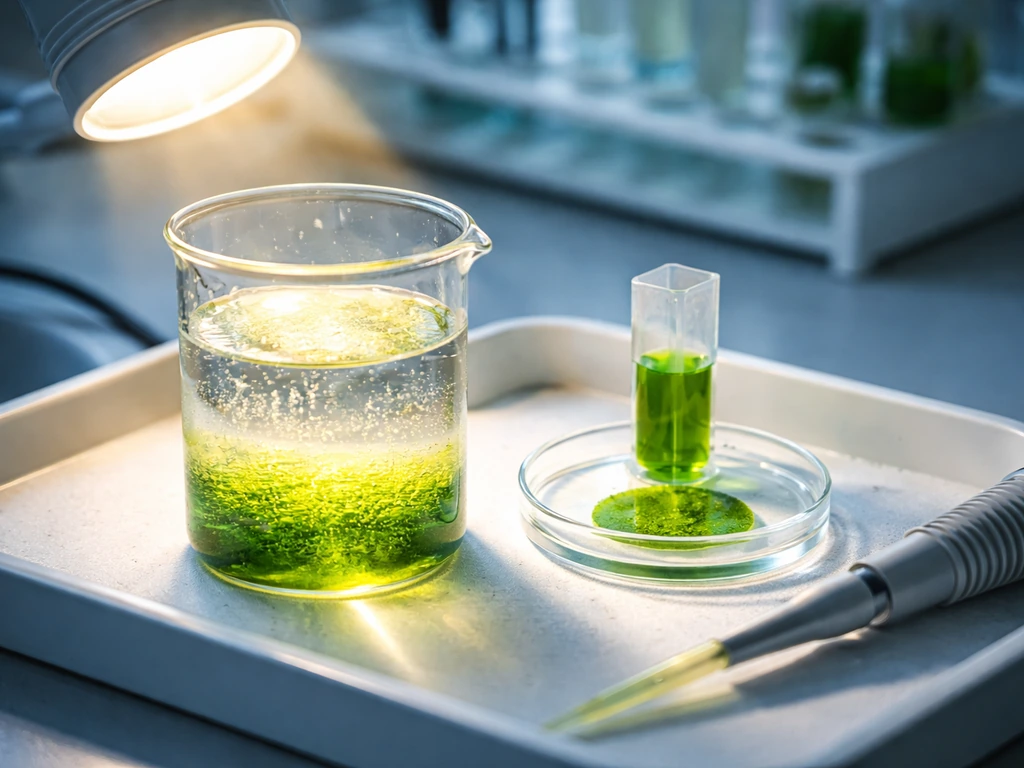
Phytoplankton capture light energy using chlorophyll and use it to convert inorganic carbon (dissolved CO2) into organic carbon compounds, primarily sugars. This is the same fundamental process plants use. That fixed carbon becomes the raw material for everything else: cell walls, proteins, DNA, lipids, and the energy currency needed to run the cell's metabolism. Without photosynthesis, there is no substrate for growth.
Step 2: Nutrient uptake and biomass assembly
Carbon alone is not enough. To turn fixed carbon into functional cellular structures, phytoplankton need nitrogen, phosphorus, and in the case of diatoms, silicon. Nitrogen goes into proteins and chlorophyll. Phosphorus is central to DNA, RNA, and the energy molecule ATP. The ratio of these nutrients inside a healthy phytoplankton cell follows a pattern known as Redfield stoichiometry: roughly 106 carbon to 16 nitrogen to 1 phosphorus by atoms. When the supply of nitrogen or phosphorus in the water falls out of line with this ratio, growth slows because the cell literally cannot assemble new biomass in the right proportions.
Research from Monterey Bay found that phytoplankton there were consistently nitrogen limited across multiple cruises, with nitrate addition producing the strongest growth response. In open ocean environments, phosphorus limitation can dominate instead, particularly for nitrogen-fixing cyanobacteria like Trichodesmium, which get their nitrogen from the atmosphere but still depend on dissolved phosphate. This variability is worth keeping in mind: the limiting nutrient is not universal.
Step 3: Cell division
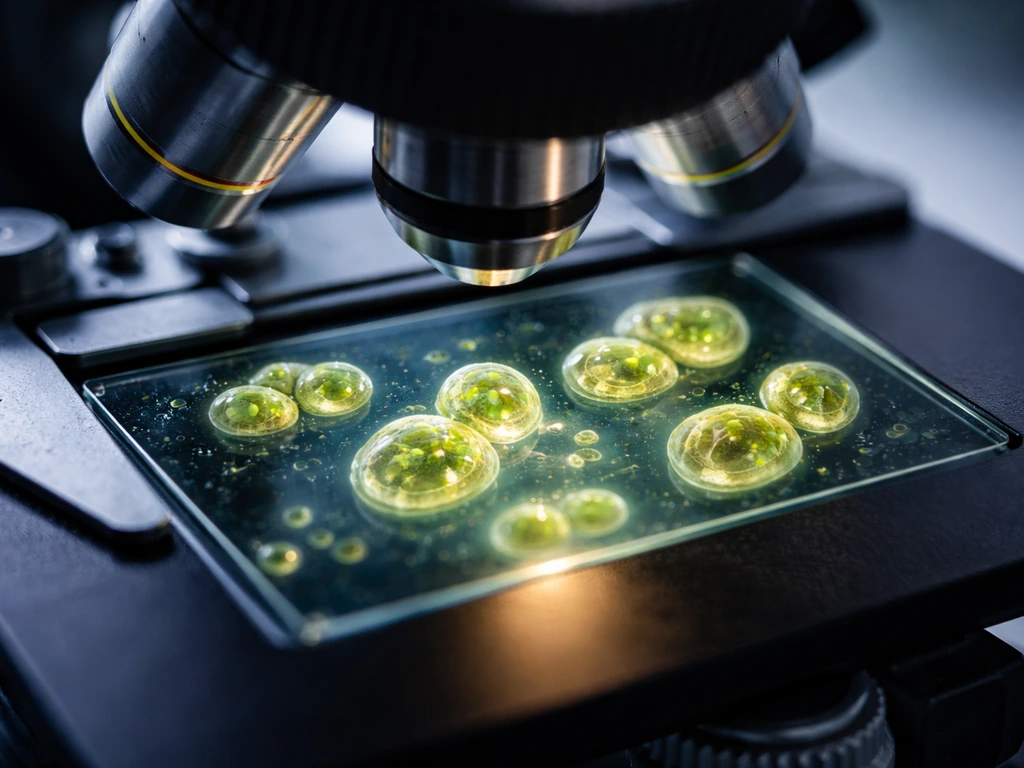
Once the cell has accumulated enough biomass, it divides. For most phytoplankton, this happens through binary fission: the cell grows to roughly twice its original size, replicates its genetic material, and splits into two daughter cells. Under ideal conditions, some species can double in less than a day. That is rapid by any standard. A single cell can theoretically give rise to millions of descendants within a week if conditions stay perfect, which is exactly what you see at the start of a spring bloom.
There is also a resource allocation tradeoff inside each cell. The cell has to invest in photosynthetic machinery (to capture energy) and in nutrient uptake machinery (to collect building blocks) at the same time it is trying to build new cell material for division. Under nutrient stress, cells shift more investment toward nutrient acquisition and away from growth, which is why nutrient-limited phytoplankton often show reduced division rates even when there is plenty of light.
How zooplankton grow: eating, assimilating, and developing
Zooplankton do not photosynthesize. They grow by consuming other organisms, digesting that material, and using the assimilated energy and nutrients to build their own tissues. This makes their growth story more like an animal's than a plant's.
Feeding and assimilation
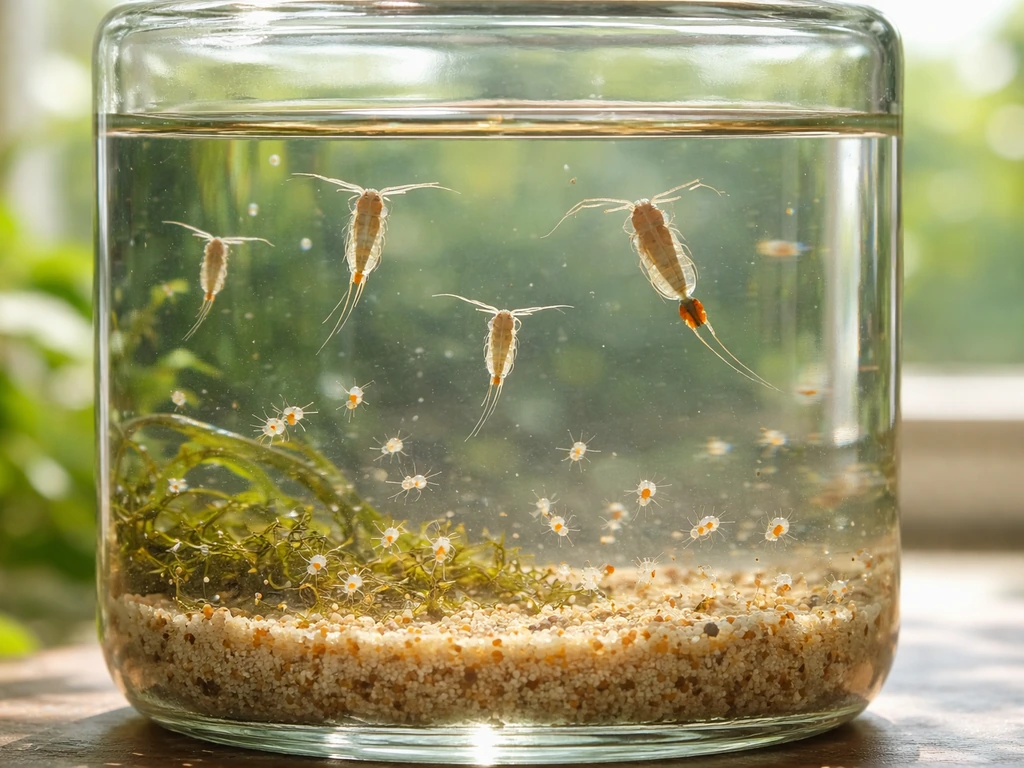
Most zooplankton are grazers: they eat phytoplankton, bacteria, or smaller zooplankton. When they ingest food, only a fraction of what they eat actually gets incorporated into their own body mass. The rest is lost to respiration (burned for energy to keep the organism running) or excreted as waste. The fraction that becomes actual growth is called the assimilation efficiency, and it is always less than 100 percent. This is why energy pyramids in food webs narrow at each level: it takes a lot of phytoplankton to support a smaller mass of zooplankton.
Development through life stages
Unlike phytoplankton, which grow by cell division, most zooplankton grow through distinct developmental stages. Copepods, one of the most abundant zooplankton groups in the ocean, hatch as nauplii larvae and pass through multiple juvenile stages before reaching adult size. Each stage requires sufficient food to fuel the energy demands of both growth and development. If food is scarce at any stage, development slows or stops. This makes zooplankton growth tightly coupled to phytoplankton availability, which is why zooplankton blooms typically lag a few weeks behind phytoplankton blooms in spring.
Reproduction and population growth
At the population level, zooplankton "grow" when reproduction outpaces mortality. Well-fed females produce more eggs. When phytoplankton are abundant, copepod egg production rates increase measurably. When food runs out or temperature drops, reproduction slows. Some zooplankton, like many protists classified as microzooplankton, can divide directly by binary fission much like phytoplankton do, which allows their populations to respond quickly to food availability.
Conditions plankton need to grow
Four factors control whether plankton grow at any given time and place: light, nutrients, temperature, and water mixing. They interact with each other constantly, and you rarely see just one of them at work.
| Factor | What it does | What happens when it falls short |
|---|---|---|
| Light | Powers photosynthesis in phytoplankton; sets the energy budget | Phytoplankton cannot fix carbon; cells cannot divide; population declines |
| Nutrients (N, P, Si, Fe) | Provide raw materials for proteins, DNA, cell walls | Cell division slows; cells become nutrient-stressed; growth rates drop |
| Temperature | Controls metabolic enzyme reaction rates in all plankton | Growth slows below or above optimal range; reproduction rates drop |
| Water mixing | Delivers nutrients from deeper water to the sunlit surface layer | Nutrient depletion at the surface; bloom stalls even if light is adequate |
Light is the most obvious requirement for phytoplankton but it comes with a spatial constraint: photosynthesis can only happen in the euphotic zone, the sunlit surface layer. Deeper than roughly 100 to 200 meters depending on water clarity, there is not enough light to support net photosynthesis. Chlorophyll-a concentration is highest near the surface precisely because that is where the photosynthetic machinery can run.
Temperature affects the speed of enzymatic reactions, which sets the upper ceiling for metabolic rate. Warmer water generally accelerates phytoplankton growth up to a species-specific optimum, after which heat denatures proteins and growth crashes. Research has also shown that nutrient limitation can suppress the typical temperature dependence of metabolic rates, meaning a nutrient-starved cell does not respond to warming the same way a well-fed cell does.
Water mixing is the delivery mechanism for nutrients. As phytoplankton consume the nitrogen and phosphorus in surface waters, those concentrations drop. The only way to replenish them is through vertical mixing that brings nutrient-rich deeper water up to the surface. Upwelling zones are among the most productive ocean regions precisely because mixing is constant and nutrient supply is steady. Where the water column stratifies strongly (warm, calm surface water sitting on top of cold, nutrient-rich deeper water), phytoplankton eventually exhaust the surface nutrients and growth grinds to a halt even though light is abundant.
What stops plankton from growing without limit
The same question that comes up for every organism on this site applies here: what prevents unlimited growth? For plankton, the answer is a combination of resource depletion, predation, and physical constraints. Any one of these can end a bloom.
Nutrient exhaustion
Growing phytoplankton consume dissolved nutrients faster than mixing can replace them. In a stratified summer ocean, the surface layer can become genuinely depleted of nitrate or phosphate within weeks of a bloom beginning. Once that happens, cell division rates fall, cells become smaller and less pigmented, and the population stops growing. For diatoms specifically, silicon limitation can terminate a bloom on its own: diatoms need dissolved silicic acid to build their glass-like frustule walls, and silicon concentrations can plummet as a bloom progresses.
Grazing and predation
Microzooplankton, including ciliates and flagellates, can graze phytoplankton at rates that equal or exceed the phytoplankton growth rate. When grazing mortality matches birth rate, the population does not grow even if conditions are otherwise ideal. Larger zooplankton like copepods add further top-down pressure. NASA has documented cases where phytoplankton blooms collapsed not from nutrient exhaustion but from the combined pressure of grazing and viral infection, which relates to how parasites grow and develop. Bloom demise is rarely caused by a single factor.
Physical constraints: mixing depth and flushing
If the surface mixed layer is too deep, phytoplankton cells get circulated down into darkness frequently enough that their net photosynthesis over a day is zero or negative. The bloom never starts, not because nutrients are missing but because cells spend too much of their time below the euphotic zone. This mixing depth threshold is one reason why spring blooms in temperate oceans start when the seasonal thermocline begins to shallow, trapping phytoplankton in the well-lit surface layer. In estuaries and coastal systems, flushing by river flow can physically wash phytoplankton out faster than they divide, capping population growth regardless of nutrient and light conditions.
Cellular size limits
There is also a physical limit at the cellular scale. As a cell grows larger, its surface area to volume ratio decreases, which makes it harder to absorb nutrients fast enough to support the larger volume. This is the same surface area constraint that limits cell size across all life, and it is a recurring theme in biological growth. Larger phytoplankton species are proportionally more dependent on physical mixing to keep nutrients at their surfaces than smaller species are.
What plankton growth looks like in the real world
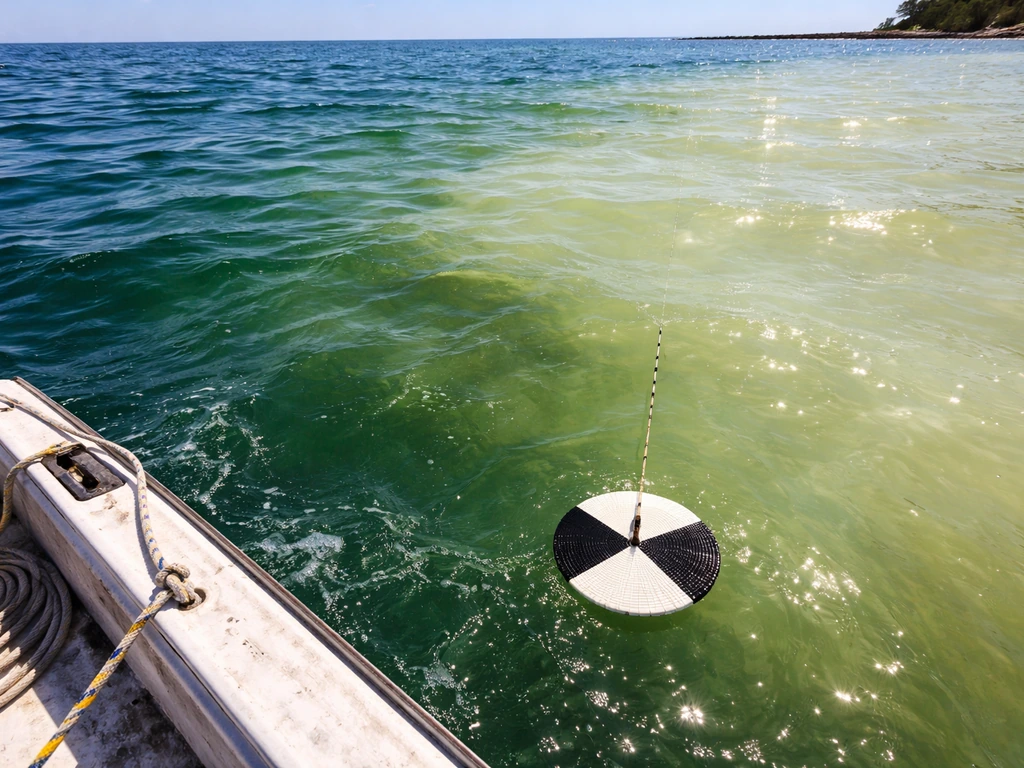
The most visible expression of plankton growth is the phytoplankton bloom: a rapid, massive increase in cell numbers that can turn ocean water green or even milky white over thousands of square kilometers. Blooms are not random. They follow predictable seasonal and geographic patterns driven by the interplay of the factors above.
The classic bloom-and-crash cycle
In temperate oceans, the spring bloom follows a well-documented pattern. Winter mixing keeps nutrients high but light low. As days lengthen in spring, light increases while the water column begins to stratify, trapping phytoplankton near the surface. Growth explodes. Within weeks, nutrients in the surface layer are exhausted, grazing pressure from zooplankton intensifies, and the bloom collapses. Chlorophyll concentrations, which were spiking, drop back to pre-bloom levels. This cycle repeats every year with variations driven by storm timing, temperature, and the timing of sea-ice retreat in polar regions.
How scientists measure it
Chlorophyll-a concentration is the most widely used proxy for phytoplankton biomass. Satellites like VIIRS (operated by NOAA) measure ocean color across global scales, producing chlorophyll-a maps that make bloom development and decline visible from space. The light attenuation coefficient (Kd for photosynthetically active radiation, KdPAR) is a companion measurement that tells scientists how fast light diminishes with depth, which directly informs estimates of how deep the euphotic zone reaches on any given day.
In the water, grazing pressure on phytoplankton is typically measured using the dilution experiment technique. The approach works by diluting seawater with filtered (microorganism-free) seawater at different ratios. At lower dilutions, grazers are more concentrated relative to phytoplankton, so grazing rates are high. At higher dilutions, grazing rates drop while phytoplankton intrinsic growth rate stays roughly constant. Plotting the relationship between dilution level and net growth rate lets researchers separate how fast phytoplankton would grow without grazing from how fast grazers are removing them. It is an elegant method and remains a standard tool in marine ecology.
How to actually study plankton growth today
If you want to move beyond the theory and observe or measure plankton growth in practice, here is where to start.
- Measure light first. Light is the master switch for phytoplankton growth. Use a Secchi disk (a low-tech tool that measures water clarity by depth of visibility) to estimate how far light penetrates, or look up satellite-derived KdPAR data for your region from NOAA's operational ocean color products. If you are in a lab setting, a PAR (photosynthetically active radiation) meter gives you direct measurements of usable light energy.
- Check nutrient concentrations. Nitrate, ammonium, and phosphate are the most important to measure in most systems. Simple colorimetric test kits work for classroom or field use; more precise results require laboratory spectrophotometry. If you are working in a silica-rich freshwater or coastal system where diatoms dominate, add silicic acid (silicate) to your panel. Low nitrate almost always signals nitrogen limitation is underway.
- Track chlorophyll-a over time. Water samples filtered through a glass fiber filter and extracted in acetone or ethanol yield a fluorometric or spectrophotometric estimate of chlorophyll-a, which tracks phytoplankton biomass. Take samples on multiple days. A rising chlorophyll signal means the population is in net growth; a falling signal means mortality (grazing, nutrient exhaustion, or physical losses) exceeds growth.
- Monitor temperature. Log water temperature at your study site daily. Sudden drops (from mixing or weather) can slow zooplankton development sharply. Unusually warm temperatures may favor certain species over others and shift the nutrient limitation story.
- Look for food-web signals. Count zooplankton in net tow samples (a plankton net towed through the water concentrates organisms for counting under a microscope). A lagged increase in zooplankton after a phytoplankton bloom is a classic signal that bottom-up food-web dynamics are operating normally. If zooplankton densities spike while phytoplankton is still high, expect a crash to follow soon.
- Run a simple dilution experiment for grazing. Collect surface water, filter half of it through a 0.2-micron filter to remove grazers, then set up bottles at several dilution ratios (e.g., 25, 50, 75, and 100 percent whole seawater). Incubate for 24 to 48 hours in natural light, then measure chlorophyll-a change in each. The relationship between dilution fraction and growth rate separates intrinsic phytoplankton growth from grazing losses.
- Use satellite data for context. For any ocean or large lake, free NASA and NOAA ocean color browsers (like NASA's Worldview or NOAA's CoastWatch) let you watch blooms develop and collapse over days to weeks using chlorophyll-a maps. Comparing your in-water measurements to the satellite picture helps you understand whether you are sampling the leading edge, peak, or decline of a bloom.
The core insight to carry away is this: plankton growth is always a race between resource supply and losses. Phytoplankton grow when light and nutrients allow photosynthesis to outpace respiration and mortality. Zooplankton grow when food supply allows assimilation to outpace metabolic costs and predation. The conditions that shift that balance, nutrients, light, temperature, mixing depth, and grazing pressure, are all measurable. Once you know which one is the binding constraint in your system, you understand why growth is happening at the rate it is, and what would have to change to make it faster or slower.
FAQ
Do plankton always grow faster when there is more sunlight?
More light helps phytoplankton only up to the point where something else becomes limiting, usually nutrients or mixing. If nitrate or phosphorus are depleted, extra light mostly increases photosynthesis until the cell runs out of building materials, so net growth can stay flat or even decline.
How can a phytoplankton bloom happen if nutrients are low at the surface?
Bottled nutrients are replenished by delivery. In many cases blooms start because seasonal or event-driven mixing brings nitrate or phosphate up into the sunlit layer, or because upwelling supplies nutrients continuously. Measuring nutrient profiles with depth is key, not just surface concentrations.
Why do phytoplankton sometimes get smaller during a bloom?
When growth is constrained by nutrient stress, cells often reallocate resources and divide less effectively. That can yield smaller cell sizes and reduced pigment content, even if chlorophyll remains elevated. It is a sign the system is shifting from light-limited to nutrient-limited conditions (or to silicon-limited for diatoms).
Can zooplankton grow without phytoplankton?
Yes, some zooplankton can feed on bacteria or on other protists, and some microzooplankton can divide directly by fission. But in many real food webs phytoplankton drive most of the available biomass, so zooplankton growth still tends to track phytoplankton timing with a lag.
Why does zooplankton abundance often lag behind phytoplankton blooms?
Developmental stage timing is a major reason. For groups like copepods, eggs and larvae require sustained food availability at each stage, so populations do not fully increase immediately when phytoplankton spike, especially if food later becomes patchy or declines quickly.
What does “assimilation efficiency” mean for growth measurements?
It is the fraction of ingested food that ends up as body tissue after accounting for respiration and waste. Even if ingestion rates rise, growth can remain limited when assimilation efficiency drops, such as during poor-quality food conditions or when temperatures increase metabolic losses faster than assimilation.
Is water temperature always good for plankton growth?
Not necessarily. Warmer water can speed metabolism, but beyond a species-specific optimum it can reduce growth through protein stress and altered nutrient uptake. Also, if nutrients are scarce, cells may not show the usual temperature response, so warming alone does not guarantee higher growth rates.
Why does deep mixing stop blooms even if nutrients exist?
When cells are mixed below the euphotic zone often enough, daily net photosynthesis can become zero or negative. That prevents population increase even if nitrate or phosphate concentrations are sufficient, so the critical variable is how long cells spend in light, not just how much nutrient is available.
How do scientists tell whether mortality is from grazing versus viruses?
They look for separate signatures of losses in experiments and time series. Dilution experiments can quantify grazing-driven net growth differences, while viral impacts may show rapid declines in phytoplankton alongside evidence of infection dynamics. In practice, researchers often attribute bloom collapse to combined processes rather than one dominant cause.
What is the easiest measurement to use as a proxy for phytoplankton growth?
Chlorophyll-a is commonly used as a biomass proxy, and satellite ocean color can reveal bloom development over large scales. But it is not the same as growth rate, because cell size and pigment content can change under stress, so interpreting chlorophyll trends may require pairing with nutrient and light data.
If I see chlorophyll dropping, does that always mean phytoplankton stopped growing?
Not always. Chlorophyll can decrease because cells become smaller, less pigmented, or shift physiology during nutrient stress, even while some growth continues. To distinguish reduced growth from population loss, you typically need measurements of cell counts, size distribution, and constraints like nitrate, phosphate, or (for diatoms) silicate.
What common mistake leads people to ask the wrong “limiting factor” question?
Assuming the limiting nutrient or control mechanism is universal across locations and seasons. The binding constraint can switch between nitrogen and phosphorus, or between nutrients and mixing/light, depending on stratification, water clarity, and community composition. A good workflow is to test nutrients and light delivery together rather than relying on a single general rule.
Next Article
How Do Amoeba Grow: Size Limits and Growth to Division
Learn how amoebas grow by nutrient uptake, what limits their size, and how growth triggers binary fission.